AI in Practice: Real Tools, Real Workflows, Real Questions
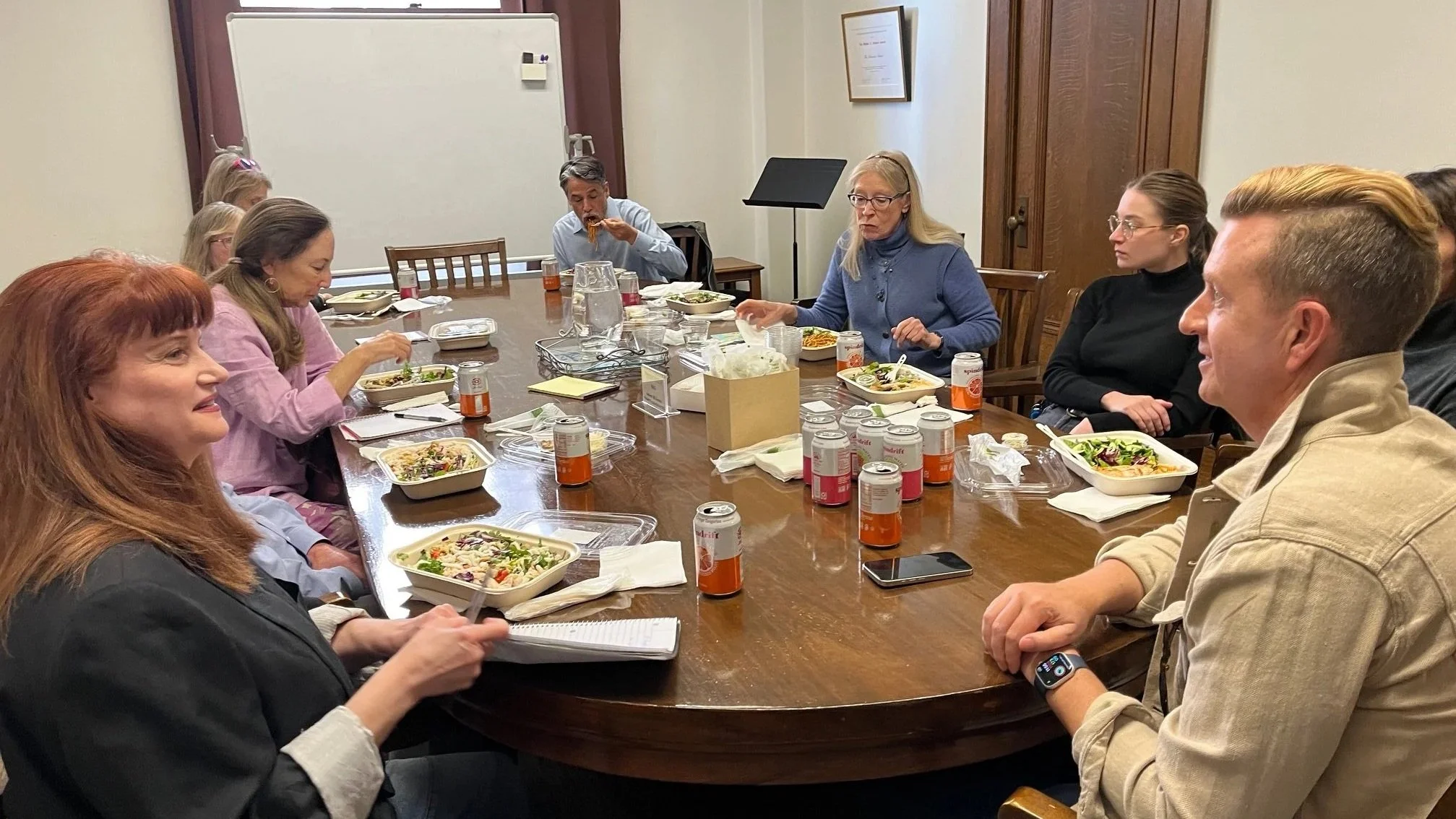
At SFPRRT’s recent conversation on artificial intelligence, held on March 11, members shared how AI is already becoming part of both professional workflows and everyday life. The discussion focused less on hype and more on practical use—what tools people are using, where AI saves time, and why human judgment still matters.
One of the recurring themes was that AI works best as a support tool, not a replacement for expertise. Speakers described using platforms like ChatGPT, Gemini, and Perplexity to help draft press releases, conduct research, generate proposals, and streamline day-to-day communications work. For many, these tools have become efficient assistants that help speed up production while still requiring careful review.
Brianne Miller spoke about her frequent use of AI and her interest in exploring AI agents more deeply. She also noted how different platforms can produce conflicting answers, underscoring the importance of checking one result against another rather than accepting any single output at face value. That point resonated throughout the discussion: AI can be powerful, but it still needs a human editor.
Participants also highlighted specialty tools that are making work easier. Otter was praised for transcription, meeting summaries, and action-item tracking, while Google Notebook was discussed as a useful way to organize large amounts of client background material and turn complex information into more manageable insights. These examples showed how AI is increasingly valuable not just for writing, but also for research, documentation, and organization.
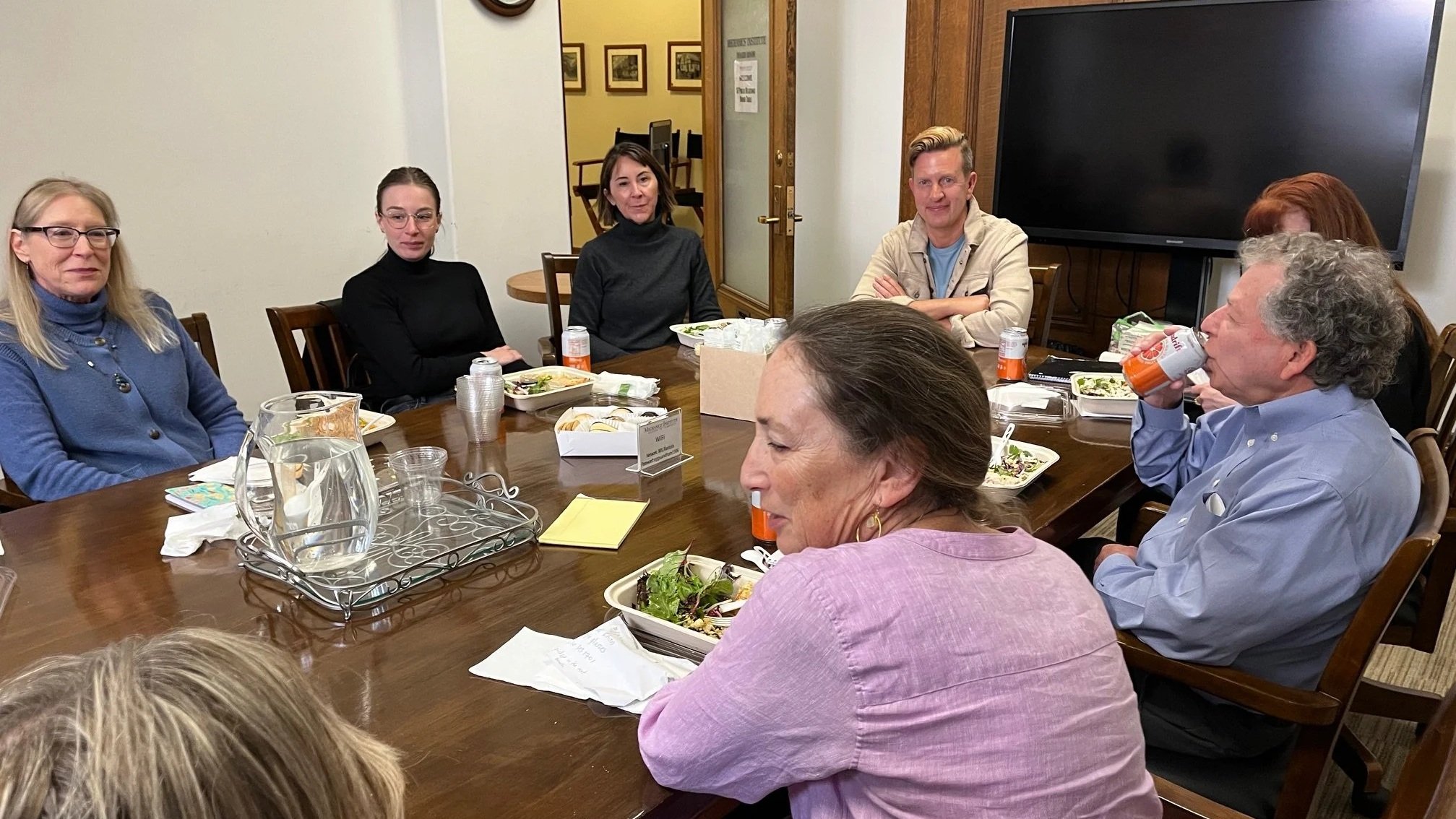
The conversation also touched on ethics, privacy, and professional boundaries. Attendees acknowledged the need to be cautious with confidential information, to verify facts, and to think carefully about when and how AI should be used. At the same time, several speakers pointed to AI’s cost-effectiveness—especially for solo practitioners and small teams—by reducing the need for additional staffing on routine or time-intensive tasks.
Overall, the discussion offered a balanced perspective: AI is not flawless, but when used thoughtfully, it can be an effective tool for communications, strategy, research, and productivity. The takeaway was clear—learn the tools, stay curious, verify the output, and use AI in ways that strengthen, rather than replace, human expertise.